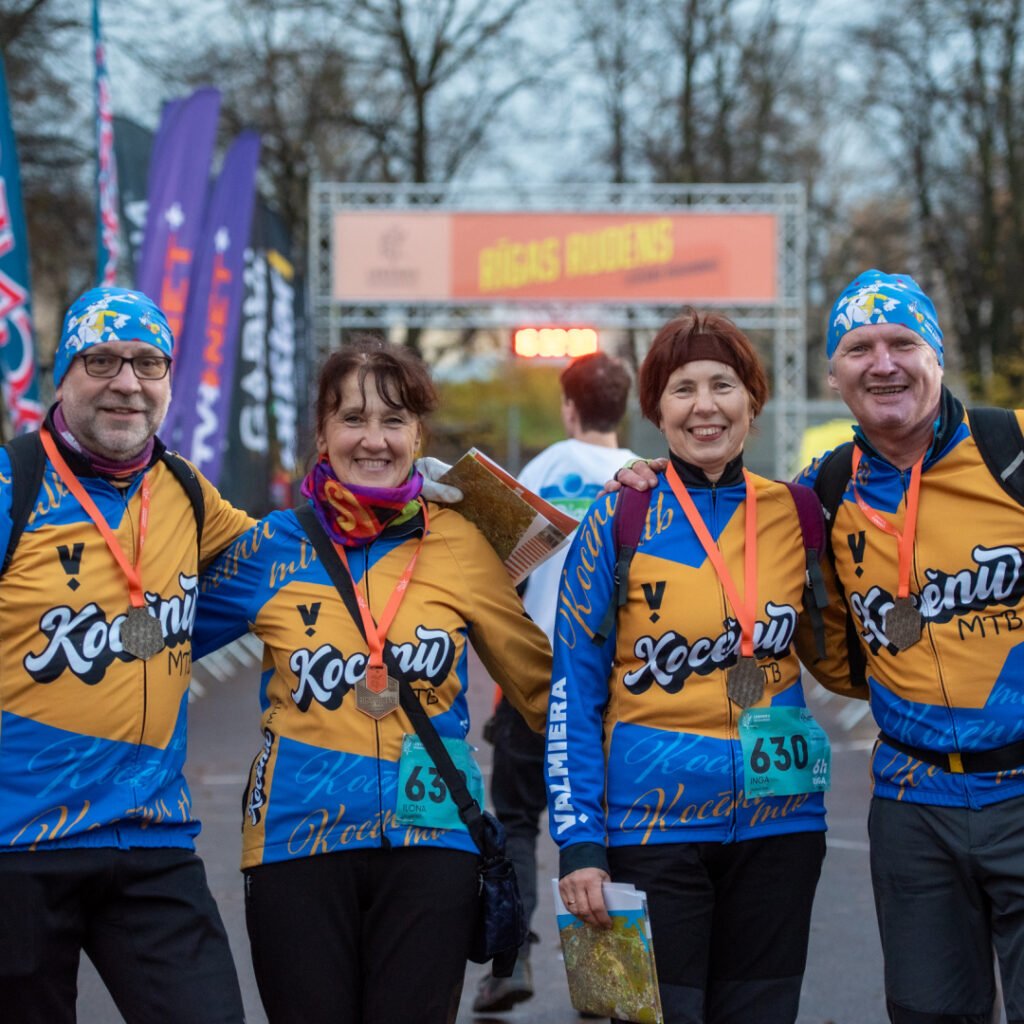
Participants after the Riga Autumn Legends Rogaining. Photo: rogainings.lv / Xevents. Avots / source
Rogaining is not won by speed alone. Route choice, early replanning and regular fuelling can matter more than pace over one kilometre. Baltic conditions add mud, darkness, wet clothing and rapidly changing temperature.
Keep the plan simple enough to follow while reading the map and communicating with the team.
Key points
Split the map into priority controls and a shorter return option.
Tie food and drink to time, not only hunger.
A spare layer, reliable light and charged phone are safety kit, not dead weight.
Route and team decisions
Mark controls with a good value-to-time ratio, then build a shorter return route. Set a specific time for reviewing the plan. If one teammate slows, adapt early instead of waiting for a crisis.
Assign simple roles: primary navigator, time keeper and fuel reminder. Errors often appear when everyone tries to do everything.
Fuel that you can tolerate
On longer races, start before hunger arrives. Many athletes begin around 30–60 g carbohydrate per hour and adjust in training. In a two-week randomised trial, repeated carbohydrate feeding during running improved gastrointestinal tolerance; this supports training the eating routine but does not promise the same response to everyone.
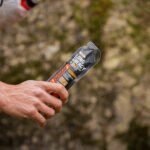
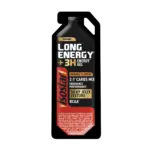
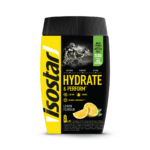
Combine easy-to-chew food, gels and drink. At night or high intensity, use a format that can be handled safely while moving.
Team at the Ķekava Legends Rogaining. Photo: rogainings.lv / Xevents. Avots / source
Fluid and conditions
Map water access and carry a sufficient reserve between points, but do not mechanically maximise intake. Excessive drinking can dangerously dilute blood sodium. In heat, route through refill points more often; in cold, remember that thirst may be muted.
Confusion, loss of coordination, repeated vomiting or rapid deterioration require stopping and seeking help.
Equipment and rehearsal
Check the main and backup light, batteries, footwear grip, waterproof map protection, phone and every mandatory item. Keep first aid and a warm spare layer accessible.
Use the exact race pack, shoes and fuel in one long rehearsal. Afterwards, note what was unused and what was missing.
Author: INTERVALS editorial team. Reviewed and localised for Baltic race conditions. Scientific claims were checked against the cited studies. Last reviewed: 21 August 2026.
Cookie settings
We use cookies to keep the site working, measure visits, and tailor marketing. Read more
Cookie settings
We use cookies to keep the site working, measure visits, and tailor marketing. Read more
Necessary cookies✓
Necessary cookies
Required for core site functionality and always enabled.
Always on
Performance
Help us understand how visitors use the site and where to improve it.
Targeting
Used for ad measurement and personalization.
Necessary cookies
Name
Provider / Scope
Description
intervals_consent
Intervals Consent
Stores the visitor consent choice and schema version.
wp_woocommerce_session_*
WooCommerce
Keeps the cart and checkout session alive between requests.
woocommerce_cart_hash
WooCommerce
Tracks cart changes so the storefront knows when fragments must refresh.
woocommerce_items_in_cart
WooCommerce
Signals whether the visitor currently has items in cart.
intervals_delivery_country
Intervals Market Switcher
Stores the visitor-selected delivery country so the storefront and checkout can preserve that choice across pages.
isl_post_login_redirect
Intervals Social Login
Temporarily stores the return URL for social login so the user can be redirected back to the requested page.
Performance
Name
Provider / Scope
Description
sbjs_*
SourceBuster / WooCommerce attribution
Stores attribution and visit-source data used for marketing and campaign analysis.
intervals_utm_*
Intervals Marketing
Stores UTM campaign parameters for attribution, campaign analysis, and reporting.
intervals_first_visit
Intervals Marketing
Stores first-visit timestamp for attribution/reporting.
intervals_referrer
Intervals Marketing
Stores the referring source for attribution and reporting.
intervals_traffic_source
Intervals Marketing
Stores traffic source attribution.
intervals_landing_page
Intervals Marketing
Stores the landing page used for attribution.
intervals_engagement
Intervals Marketing
SessionStorage record that temporarily stores engagement metrics such as page count, scroll depth, and interactions.
intervals_viewed_products
Intervals Marketing
SessionStorage record that stores the list of products viewed in the session for engagement and attribution analysis.
_ga / _ga_*
Google Analytics 4
Distinguishes visitors and helps build aggregate site-usage reports.
Targeting
Name
Provider / Scope
Description
_fbp
Meta / Facebook Pixel
Advertising attribution and audience measurement.
_fbc
Meta / Facebook Pixel
Advertising click attribution.
_gcl_au
Google Ads
Advertising conversion measurement.
IDE
Google Ads / DoubleClick
Third-party ad personalization and conversion attribution.
test_cookie
Google Ads / DoubleClick
Checks whether the browser supports setting ad-platform cookies.