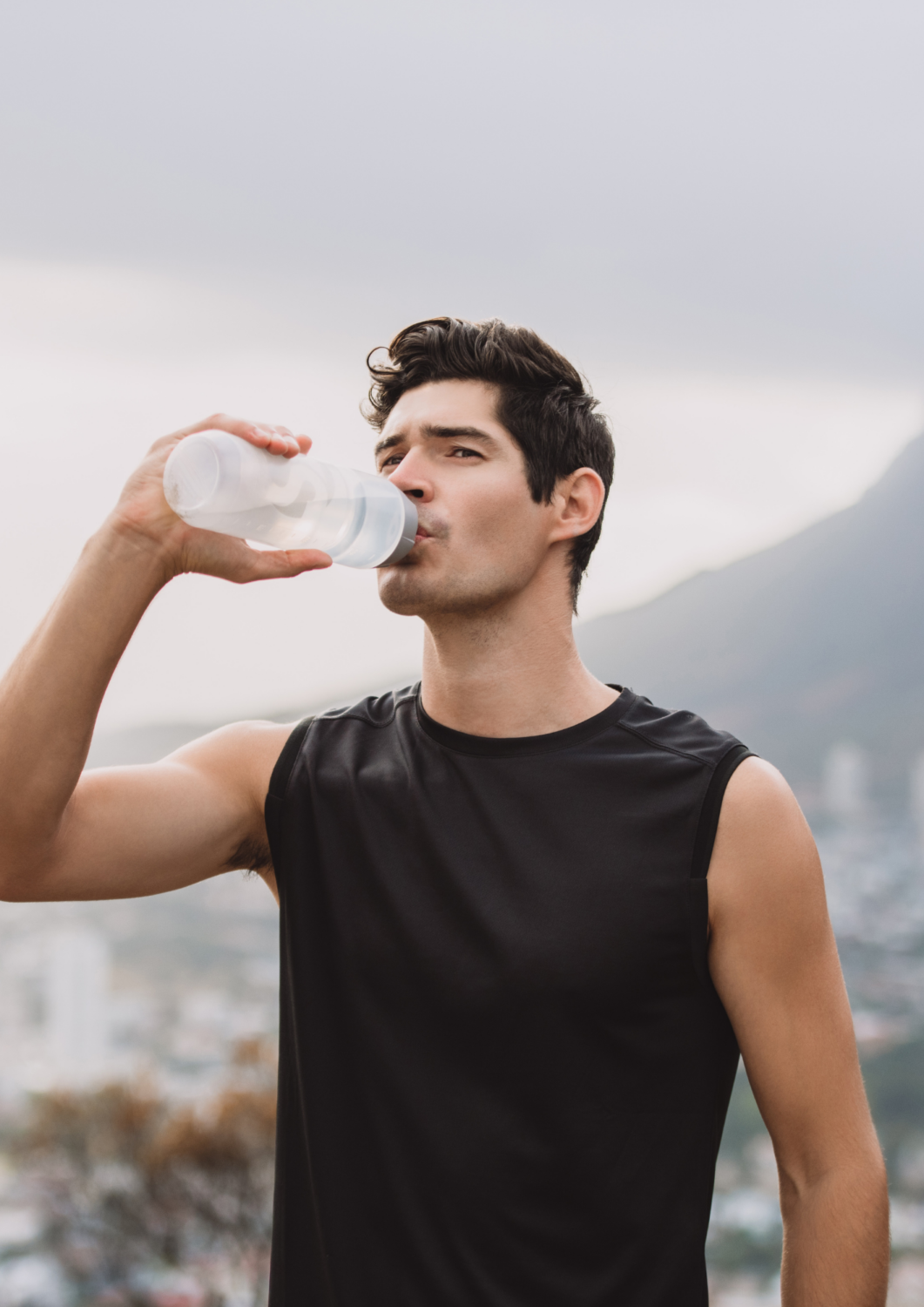
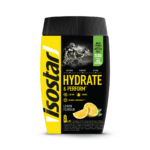
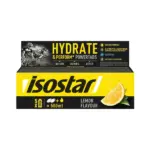
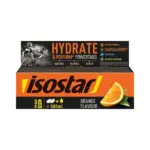
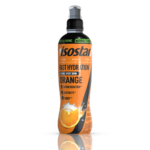
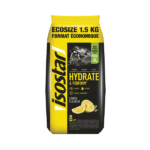
Athlete drinking water after training in a mountain setting
Hydration in a long event is not a contest to see who can drink the most. The aim is to replace a sensible share of fluid and sodium losses without overwhelming the stomach or drinking more than the body can use.
An isotonic drink combines water, carbohydrate and electrolytes in one bottle. It can be convenient during a marathon, a long ride or a hard training session, but the right amount changes with weather, pace, body size and individual sweat losses.
Key points
Estimate your sweat rate in training.
Drink to a tested plan and thirst, not by force.
Use only a familiar drink concentration on race day.
Electrolyte drink or isotonic drink?
An electrolyte drink primarily supplies fluid and minerals, especially sodium. An isotonic drink also contains carbohydrate and is designed to supply energy and fluid together. Water is often enough for a short easy session; during longer or harder work, carbohydrate in the bottle may reduce the need for a separate gel.
Do not rely on the product name alone. Check serving volume, carbohydrate and sodium per serving, and the mixing instructions. Making a powder stronger than directed can slow gastric emptying and increase discomfort.
How to estimate sweat rate
Complete a 60–90 minute session in conditions similar to your event. Weigh yourself without wet clothing before and after, and record the fluid you drank. Estimated sweat rate per hour is: (pre-exercise mass − post-exercise mass + fluid consumed − urine) ÷ hours. One kilogram of mass change is roughly one litre of fluid.
This is a field estimate, not a laboratory test. Repeat it in cool and warm conditions. The aim is not necessarily to replace 100% of losses during the event; stomach tolerance and thirst matter too.
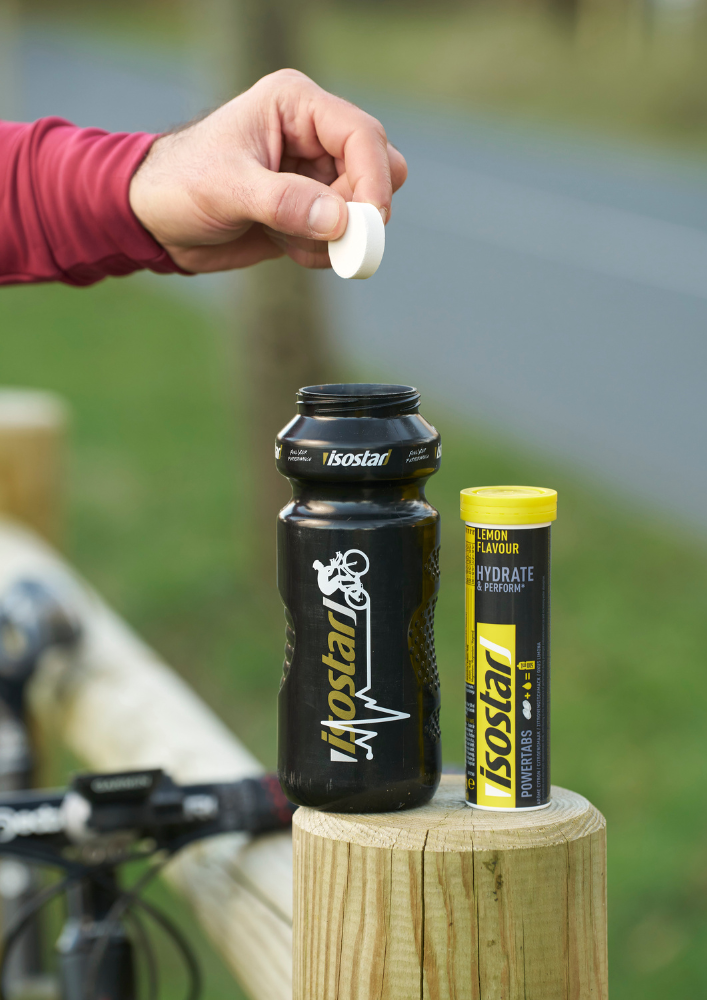
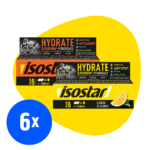
Adding an Isostar electrolyte tablet to a sports bottle
Before, during and after the finish
Before the start
Arrive normally hydrated by drinking regularly through the day and choosing a familiar drink in the final two hours. A very large drink immediately before the gun mainly creates an urgent toilet stop.
During exercise
Start with an interval tested in training, such as a few mouthfuls every 15–20 minutes, and adjust for thirst, temperature and your sweat-rate estimate. If gels provide most carbohydrate, the drink can be lower in energy. If you use an isotonic drink, count its carbohydrate in the total plan.
After exercise
Replace fluid gradually together with food and sodium. Trials often find that sodium-containing drinks help retain more of the consumed fluid than plain water, but there is no need to replace everything in one sitting.
Safety: more is not always better
Excessive drinking can dilute blood sodium. In the Boston Marathon study, gaining body weight during the race was one factor associated with hyponatraemia. Do not force fluid or apply a universal “one bottle per hour” rule without context.
Confusion, severe headache, repeated vomiting, loss of coordination, or swollen hands and feet after a long event are not ordinary fatigue and require medical help. An individual plan is particularly important for people with kidney, heart or blood-pressure conditions.
Baltic conditions and a final pre-race check
The same distance in Estonia, Latvia or Lithuania can require a very different plan in April and July. Sweat still accumulates under clothing in cold weather even when thirst is muted; a warm humid day increases drinking opportunities. Check the forecast, aid-station spacing and the exact drink supplied by the organiser.
Use the final long session to rehearse the race bottle or cups, exact powder concentration and gel order. Record not only fluid volume but also comfort, toilet stops and body mass before and after. Your own repeatable observations are more useful than a universal online table.
Many runners benefit from carbohydrate and sodium during a long event, but the required amount is individual. Test the complete plan in long training sessions.
How much sodium do I need per hour?
There is no single dose for everyone. Sweat volume and sodium concentration, weather, food and the drink formula all matter. Start with the product directions and adjust from training experience.
Does urine colour accurately show hydration?
It is only a rough signal. Consider morning urine colour together with thirst, body-mass change and how you feel; perfectly clear urine is not a required target.
Official Isostar / Nutrition & Santé image used by INTERVALS under its distribution agreement.
Author: INTERVALS editorial team. This content was localised and expanded for Baltic athletes from authorised Isostar / Nutrition & Santé material. Scientific claims were checked against the cited primary sources. Last reviewed: 21 August 2026.